
For People Who’ve Tried Therapy and Medication — and Still Don’t Feel Like Themselves.
Depression that doesn’t respond to medication isn’t untreatable — it’s undertreated. Brainsway™ Deep TMS is an FDA-cleared, non-drug therapy that targets the root of treatment-resistant depression with precision. Real relief is possible.
“TMS saves my life repeatedly every year..”
— Leanne
Led by board-certified psychiatrists specializing in treatment-resistant depression, OCD, anxiety, and advanced TMS protocols.
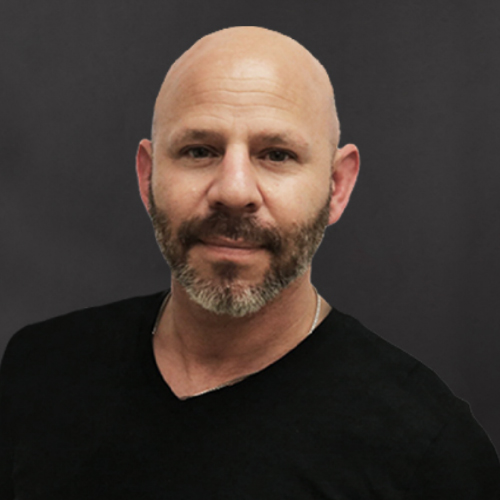
Josh Lichtman, DO
Medical Director
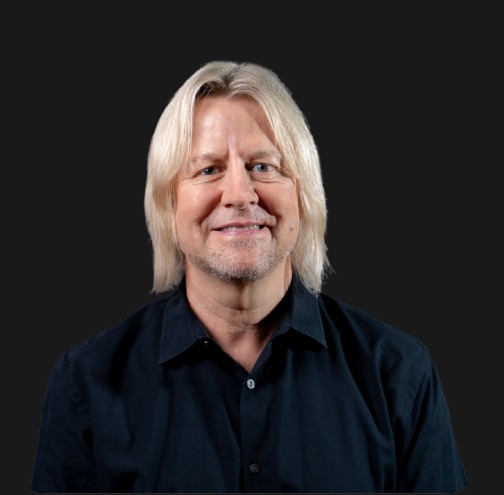
Dr. Todd Hill, DO
Supervising Psychiatrist
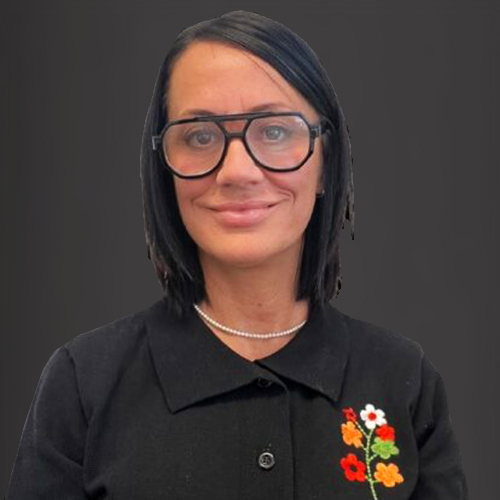
Gigi St. Johns, RN
Executive Director
Our Specialties
Two Pathways to Real Relief
Evidence-based, tailored to your biology — delivered by board-certified psychiatrists.
TMS Therapy
Transcranial Magnetic Stimulation
FDA-cleared, non-invasive treatment using targeted magnetic pulses to stimulate underactive brain regions — no medication, no sedation, no downtime.
- ✓Up to 83% of patients may experience improvement
- ✓In-office sessions, 20 min each
- ✓Covered by most major insurers
- ✓Effective for depression, OCD, anxiety
Medication Management
Precision Care
Mental health practitioners who truly listen — taking time to understand your full picture before prescribing, adjusting, or recommending alternatives.
- ✓Comprehensive evaluation
- ✓Genetic testing for medication fit
- ✓Telehealth & in-person options
- ✓Coordinated care with your TMS team
Up to 83%
of patients may experience improvement†
3,000+
TMS courses completed
8+
Years of TMS experience
100+
5 Star Reviews
† Based on published clinical studies of TMS outcomes.
How It Works
Science-Backed Brain Stimulation
TMS uses magnetic fields — the same technology as an MRI — to stimulate areas of the brain involved in mood regulation. Sessions are comfortable, quick, and require no medication or anesthesia.
Mapping
Your care provider identifies the precise treatment target for your brain.
Treatment
20 minute in-office sessions, comfortable enough to read during.
Results
Most patients notice improvement within 2–4 weeks of starting.
Common Questions
What Patients Ask Before Starting TMS
Is this like electroshock therapy?
Not at all. TMS is completely non-invasive — no anesthesia, no seizures, no memory loss. You sit in a chair, relax, and leave driving yourself.
Will my insurance cover this?
Most major insurance plans cover TMS for depression. We verify your benefits at no cost before your first visit — no surprises, no referral needed.
Am I a candidate for TMS?
If you’ve tried one or two antidepressants without adequate relief, you likely qualify. We review your full history and only recommend TMS when it’s the right fit.
Does it hurt? Any downtime?
Sessions are 20 minutes, in-office, and comfortable enough to read during. You return to work, driving, and daily life immediately after.
What if it doesn’t work for me?
We evaluate your full history before approving TMS and monitor your progress throughout treatment. If your needs change, our team has additional options.
How long before I feel better?
Most patients begin noticing improvement within 2–4 weeks. A full course is 8 weeks of daily weekday sessions, each session is approximately 20 minutes.
Medical content reviewed by Josh Lichtman, DO, Board-Certified Psychiatrist · Pulse TMS
Most Insurance Accepted
We verify your benefits for you — at no cost, before your first visit. No referral needed.